
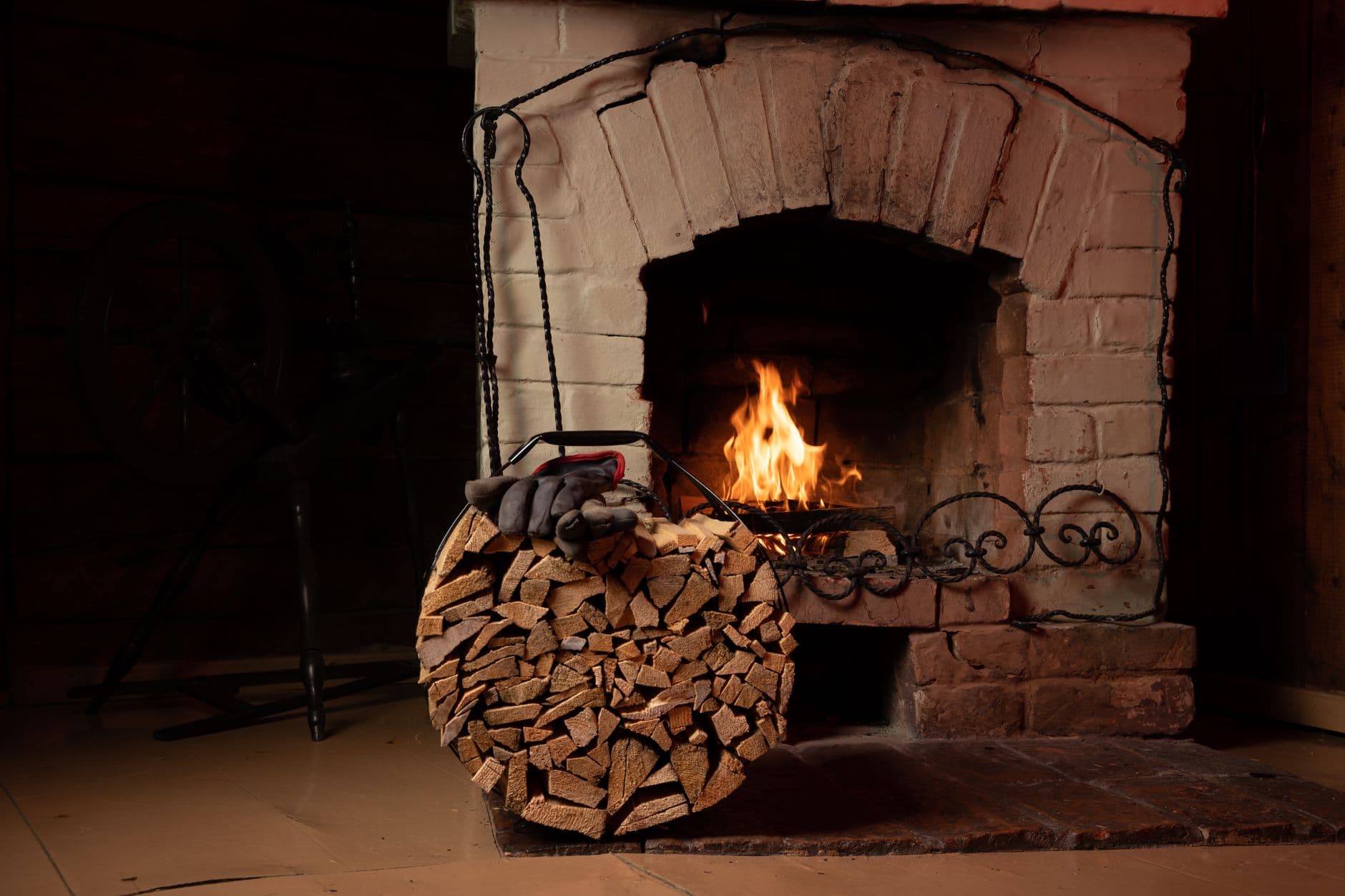

Gas vs. Wood Fireplaces in Rental Units: The Portfolio-Level Decision
A single homeowner choosing between a gas and a wood-burning fireplace is mostly making a lifestyle decision. A property manager making the same decision across a portfolio of rental units in Studio City, Sherman Oaks, Encino, Woodland Hills, Burbank, and Simi Valley is making an operations decision, one that affects maintenance scheduling, tenant turnover time, liability exposure, and how many separate service calls the portfolio generates every year. This article compares gas and wood fireplaces specifically from that angle, for anyone deciding which fuel type to install, convert to, or standardize on across multiple rentals.
Maintenance Overhead at the Portfolio Level
Wood-burning units require an annual sweep and inspection at minimum, plus ash removal, damper checks, and periodic mortar and cap maintenance. Multiply that across a dozen or more units, and wood-burning fireplaces generate a steady, recurring maintenance workload that has to be scheduled and tracked unit by unit.
Gas units still need annual professional inspection, along with pilot, thermocouple, and burner checks, but the workload per unit is generally lighter and more predictable. There is no ash, no creosote to monitor, and no wood storage to manage on the property.
For a property manager trying to minimize the number of recurring maintenance line items across a portfolio, gas units are the lower-overhead choice.
Liability Differences
Wood-burning fireplaces carry creosote-related fire risk that depends partly on tenant behavior: what kind of wood they burn, how they build and manage fires, and how consistently the unit gets inspected. This creates the documentation burden covered elsewhere: written tenant instructions, dated inspection records, and a clear response protocol if a tenant reports smoke or odor.
Gas fireplaces remove creosote from the equation entirely, which simplifies the liability picture considerably. The remaining risks, a failed pilot, a gas leak, or a cracked glass panel, are mechanical issues that show up in a straightforward annual inspection rather than depending on how a tenant uses the unit day to day.
Tenant Turnover Overhead
Move-in and move-out documentation for a wood-burning fireplace requires photographing firebox condition, checking for creosote buildup, and confirming the cap and damper are functional, on top of providing written use instructions to every new tenant. A gas fireplace turnover check is generally simpler: confirming the pilot lights, the logs are positioned correctly, and the glass and switch or remote function properly. For a portfolio with regular tenant turnover, that difference adds up across every vacancy.
Scheduling Burden Across a Portfolio
Wood-burning units need their sweep scheduled around tenant burning season and access coordinated with each tenant individually. Gas units can often be inspected on a more flexible schedule since there is less seasonal urgency tied to creosote accumulation, which makes it easier to batch several gas-fireplace units into the same service visit regardless of time of year.
No-Burn Day Compliance for Wood Units
Air quality restrictions across the region can prohibit wood burning in non-compliant fireplaces on certain days. A landlord with wood-burning units has an ongoing responsibility to make sure tenants are aware of these restrictions, which becomes another item on the standing tenant communication list. Gas fireplaces are not subject to these restrictions, removing that particular compliance task from the portfolio entirely.
When Conversion Makes Sense for a Portfolio
For a property manager standardizing a portfolio, converting underused wood-burning fireplaces to gas log sets or inserts can reduce the total number of recurring maintenance and documentation tasks across every converted unit. This is worth weighing unit by unit, since masonry condition, existing gas line access, and tenant demand for a real wood-burning fireplace all factor into whether conversion makes sense for a specific property.
When Keeping Wood-Burning Units Makes Sense
Some rental markets and some tenants specifically want a real wood-burning fireplace, and a well-documented, well-maintained masonry fireplace can be a genuine selling point for a unit in Sherman Oaks or Encino, where character and original features carry real weight with tenants and buyers alike. The maintenance and documentation overhead is manageable, it just needs to be treated as a standing operational task rather than an afterthought.
Documenting the Decision Itself
Whichever fuel type a unit ends up with, the reasoning behind that decision is worth keeping on file alongside the maintenance records. If a unit was converted from wood to gas, note when and why. If a unit kept its original wood-burning fireplace because of masonry condition or tenant demand, note that too. This record matters more than it might seem at the time, particularly when a property changes hands or when a new team member takes over portfolio management and needs to understand why units that look similar on paper are maintained differently. A portfolio where every fireplace decision is documented, not just remembered by whoever happened to make it, holds up better over time than one where the reasoning lives only in someone's memory.
Insurance Considerations by Fuel Type
Some landlord insurance policies price or evaluate risk differently depending on whether a unit has a wood-burning or gas fireplace, given the different fire dynamics involved. Before standardizing an entire portfolio on one fuel type or deciding to keep a mixed portfolio, it is worth confirming with your insurer how each type factors into a policy, since this can affect the actual cost comparison between maintaining wood-burning units and converting them to gas. A portfolio-level decision made without checking this factor risks optimizing for maintenance overhead while missing a bigger factor in the total cost picture.
Setting a Portfolio Standard Without Forcing Every Unit to Match
Standardizing does not have to mean converting every wood-burning unit to gas across an entire portfolio. Many property managers land on a middle position: gas by default for new units, conversions, or units without an existing masonry fireplace, while maintaining and properly documenting the wood-burning units already in place where masonry condition supports it. This approach limits how many units carry the higher documentation and maintenance burden of a wood-burning system, without requiring an expensive, unit-by-unit conversion project across a portfolio that may not need one.
Weighing Tenant Demand Against Operational Simplicity
Tenant preference is a real factor and should not be dismissed in favor of operational convenience alone. Some renters specifically look for a unit with a working wood-burning fireplace, particularly in neighborhoods like Sherman Oaks and Encino where that kind of original character is part of what draws tenants to older properties in the first place. A property manager weighing a conversion should factor in whether a given unit's rental appeal depends on that feature, not just the maintenance savings a gas conversion would produce.
Tracking Fuel Type in Your Maintenance System
Once a portfolio settles into a mix of gas and wood-burning units, the maintenance system itself needs to reflect that mix rather than treating every unit as identical. A work order log or property management platform that notes fuel type alongside each unit address lets whoever is scheduling service calls pull the right list without checking every property file individually. This matters most when planning a seasonal push, for example lining up every wood-burning unit for a sweep before the heating season starts, while gas units stay on their own separate, more flexible cycle. A system that does not distinguish the two ends up either scheduling gas units for service they do not need on the same tight seasonal window as wood-burning units, or missing the seasonal urgency that wood-burning units actually carry.
Training Maintenance Staff on Both Systems
A maintenance team responsible for a mixed portfolio needs a working understanding of both fuel types, since a technician or coordinator who only knows one system well is more likely to miss a fuel-specific warning sign on the other. Staff who know what a normal gas pilot assembly looks like should also know what a healthy amount of creosote versus a hazardous stage looks like in a wood-burning flue, and vice versa. Cross-training the team that handles work orders, rather than assuming everyone already knows both systems, closes a gap that otherwise only becomes visible after a missed issue turns into a tenant complaint or a larger repair.
Making the Decision for Your Portfolio
Whether you are standardizing an entire portfolio, evaluating a single unit for conversion, or simply trying to understand the maintenance difference between your gas and wood-burning units, Family Home Chimney Experts can walk your properties across Studio City, Sherman Oaks, Encino, Woodland Hills, Burbank, and Simi Valley and lay out what each option means for your maintenance schedule going forward. Call (747) 216-0432 to discuss your portfolio's fireplace mix.
Need Professional Chimney Service?
Our CSIA-certified technicians are ready to help with all your chimney and fireplace needs. Contact Family Home Chimney Experts today for expert service throughout the San Fernando & Conejo Valley service area.


